UDF
United Defence Forces One Mission. Three Forces.
United Defence Forces

One Mission. Three Forces.

Discover how the Army, Navy, and Air Force contribute distinct capabilities, career paths, and expertise to one unified defence organization.
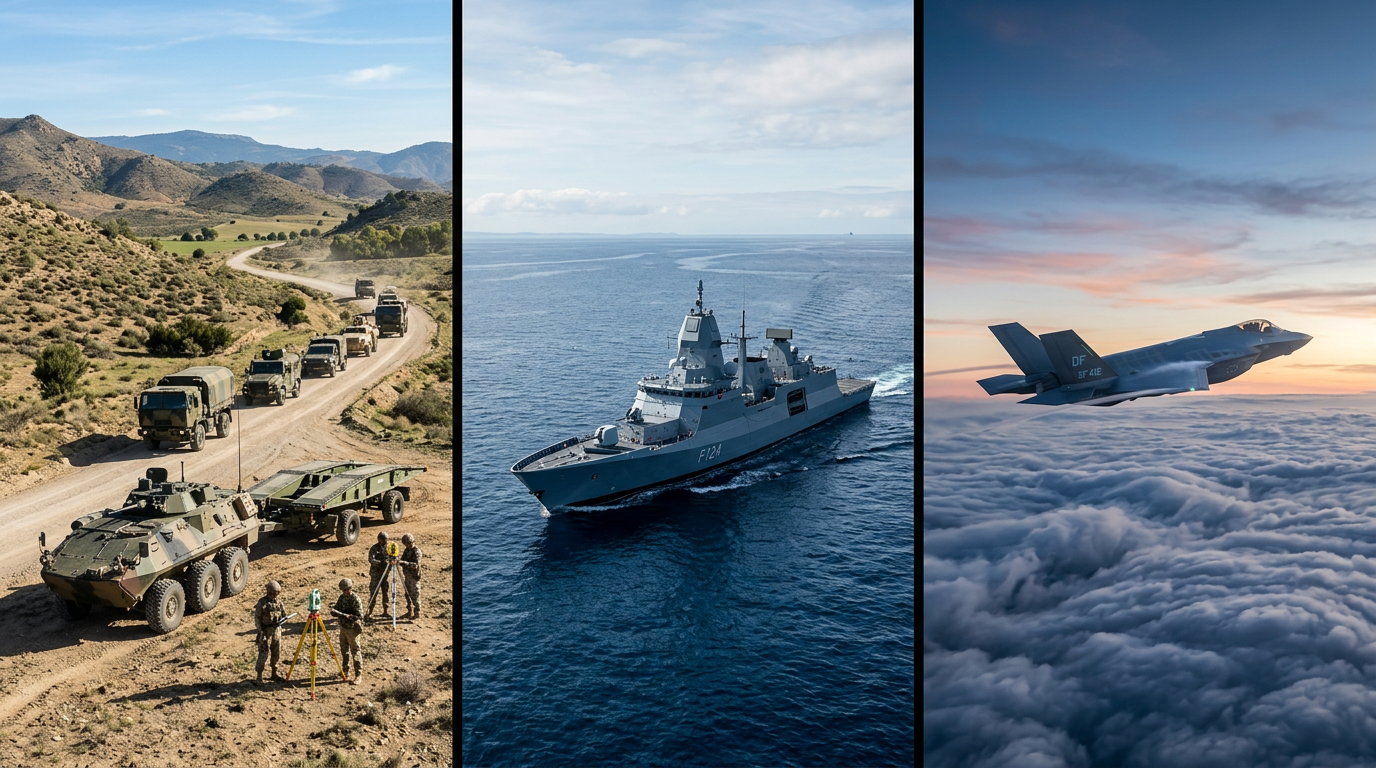
Meet the Forces
United Defence Forces Land, Sea, and Air Capabilities
Army: Land Capability & Support
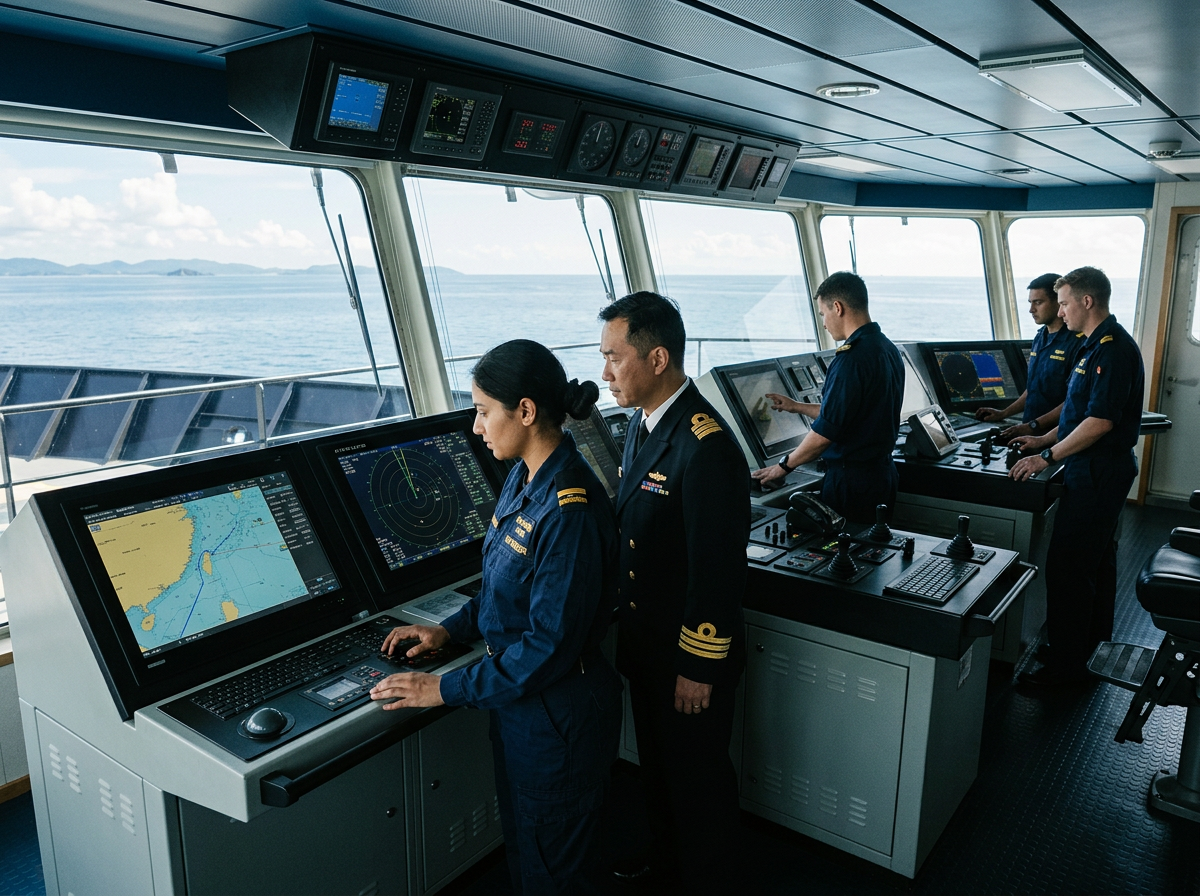
Navy: Maritime & Technical Expertise
Air Force: Aviation & Advanced Systems
Unified Structure

Different environments. One shared purpose.

The United Defence Forces operates across three distinct domains. While operating environments differ, every branch shares a commitment to national service, leadership development, and operational excellence.

Land Environment

Army

Grounded operational capability focused on leadership, infrastructure, field engineering, communications, emergency logistics, and medical support.

Discover Army Capabilities
Maritime Environment

Navy

Maritime security, navigation precision, marine engineering, oceanic logistics, advanced communications, and coastal search and rescue operations.

Discover Navy Capabilities
Aviation & Air Domain

Air Force

Aviation technical mastery, aerospace engineering, air traffic systems, cyber communications, high-speed logistics, and air support operations.

Discover Air Force Capabilities
Land Branch

Strength on the ground.

The Army provides versatile land capability rooted in practical logistics, robust communications, civil infrastructure engineering, and dependable field support during national operations.

Engineering & Infrastructure

Constructing bridge networks, emergency shelters, and field bases in challenging environments.

Field Logistics & Transport

Coordinating heavy transport networks and supply distribution chains across terrain.

Tactical Communications

Establishing reliable signal networks and real-time operational communications.

Medical Support Services

Deploying mobile field hospitals, trauma care teams, and preventative health support.

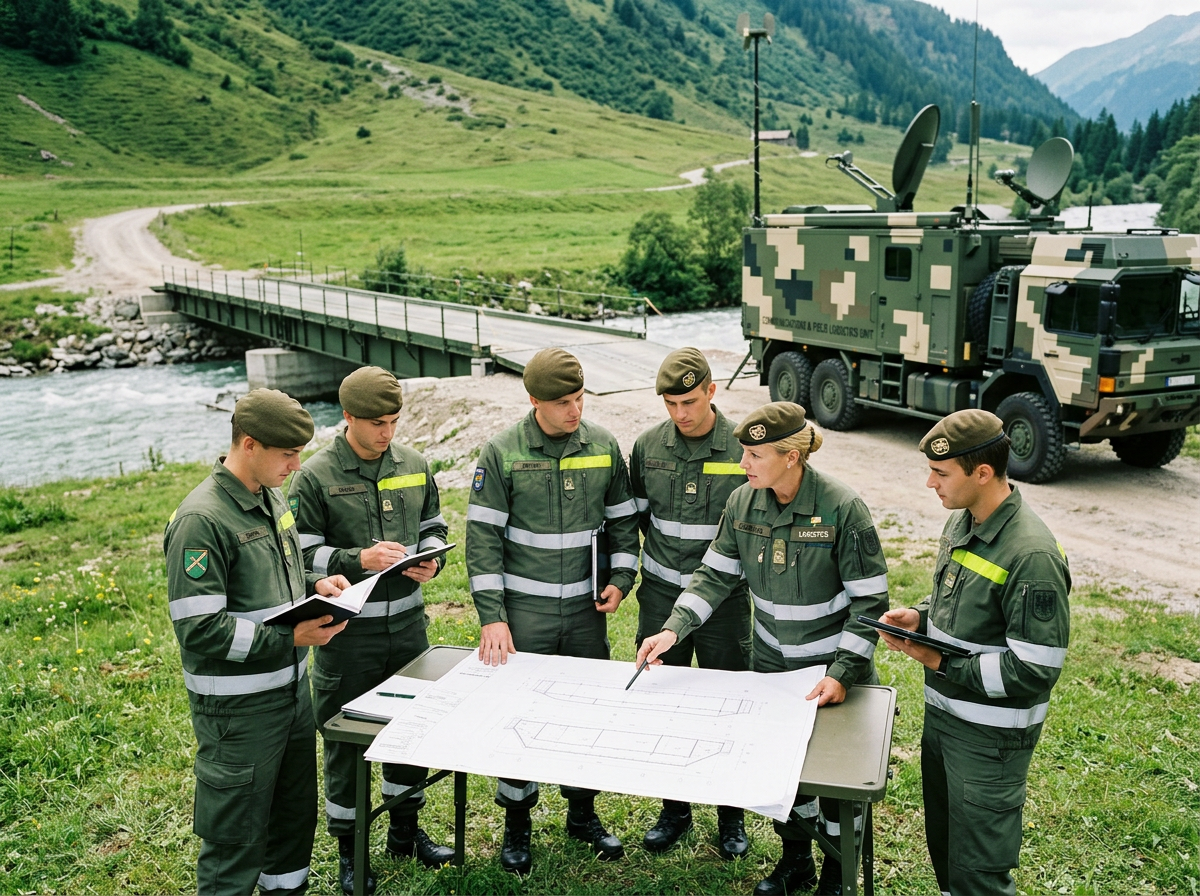
Army Engineers and Logistics Professionals
Aviation & Air Domain

Technology above the horizon.

The Air Force leads in airborne transport, aerial reconnaissance, advanced aircraft engineering, cyber systems security, and high-altitude emergency airlift operations.

Flight & Air Operations

Piloting tactical transport, surveillance, and air support aircraft in diverse climates.

Avionics & Aerospace

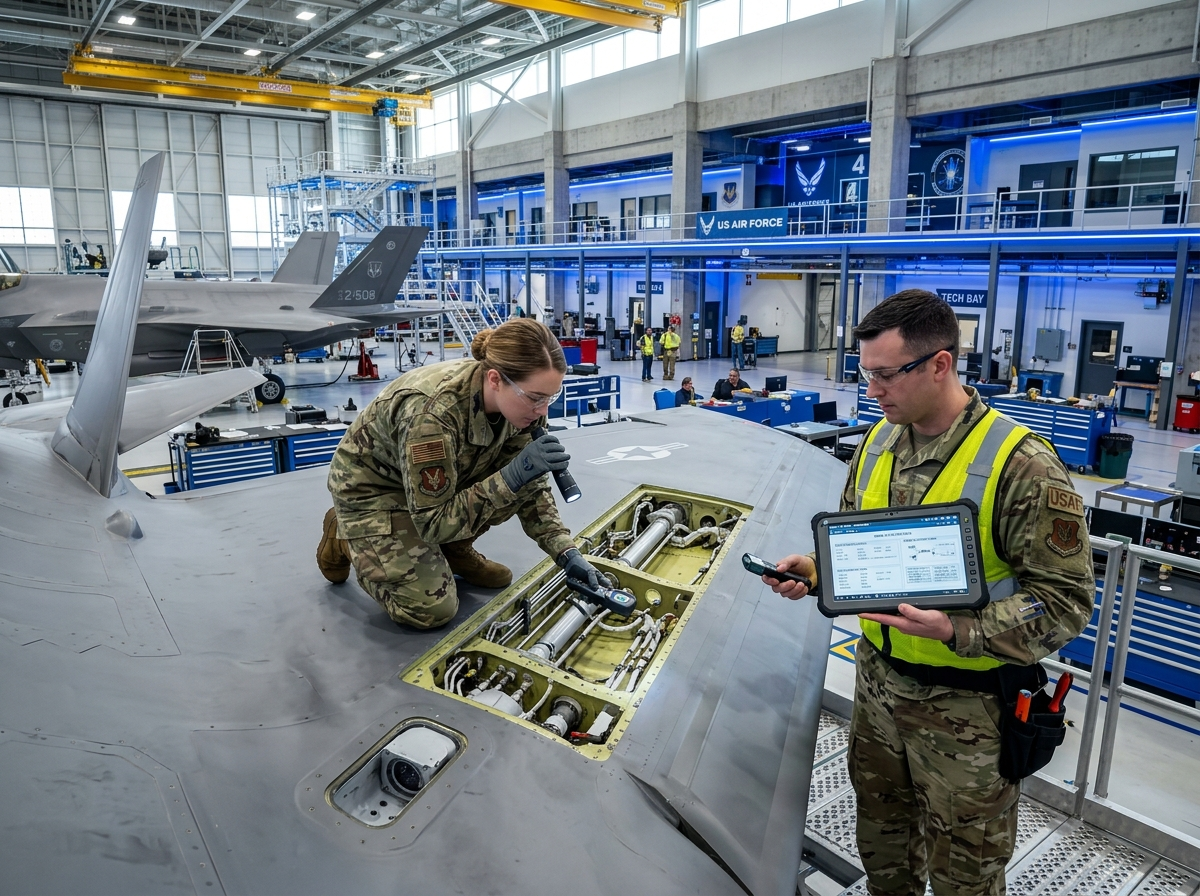
Maintaining jet propulsion engines, radar systems, and precision airframe electronics.

Air Traffic Control

Managing complex radar airspace corridors, flight plans, and airfield operations.

Cyber & Technical Systems

Securing satellite data links, communication channels, and technical systems.

Air Force Aircraft Technicians and Aviation Engineers
Cross-Branch Framework

Where could you fit?

Compare how key professional career disciplines operate across each operating domain.

Feature / Discipline Army Navy Air Force
Primary Environment Land Operations Sea & Maritime Air & Sky Domain
Engineering Roles Yes (Civil & Field) Yes (Marine & Electrical) Yes (Avionics & Aero)
Medical Careers Yes (Field Hospitals) Yes (Shipboard Care) Yes (Aero-Medical)
Logistics & Supply Yes (Overland Chains) Yes (Replenishment) Yes (Air Cargo Ops)
Communications Yes (Tactical Radio) Yes (Fleet Satellite) Yes (Data Networks)
Technical Roles Yes (Heavy Systems) Yes (Radar & Sonar) Yes (Cyber & Tech)
Note: Regardless of which branch you select, professional technical qualifications and leadership training are embedded across all career streams.
Broad Pathways

Service needs more than one skill set.

Modern defence relies heavily on technical specialists, medical professionals, engineers, and administrators alongside operational personnel.

Engineering

Mechanical, civil, electrical, aerospace, and marine engineering specialists ensuring equipment readiness.

Aviation

Fixed-wing pilots, rotary aviators, air traffic controllers, and flight crew operational experts.

Healthcare

Doctors, nurses, medics, pharmacists, and health administrators providing preventative and acute care.

Technology & Cyber

Systems analysts, cyber defence technicians, software integrators, and radar specialists.

Logistics & Supply

Supply chain managers, transport directors, material specialists, and inventory controllers.

Communications

Satellite operators, media officers, signals intelligence technicians, and network managers.

Leadership & Command

Commissioned officers and non-commissioned team leaders guiding personnel during operations.

Administration

Human resources personnel, legal advisors, finance officers, and organizational specialists.

Joint Operational Model

Three branches. One coordinated mission.

While each branch specializes in its environment, major domestic emergency and international humanitarian missions require synchronized joint operations.

Army

Ground units, medical posts, and field engineering.

Navy

Offshore transport, marine medical vessels, and sea rescue.

Air Force

Aerial survey, rapid supply drop, and aero-evacuation.

Integrated Joint Operations

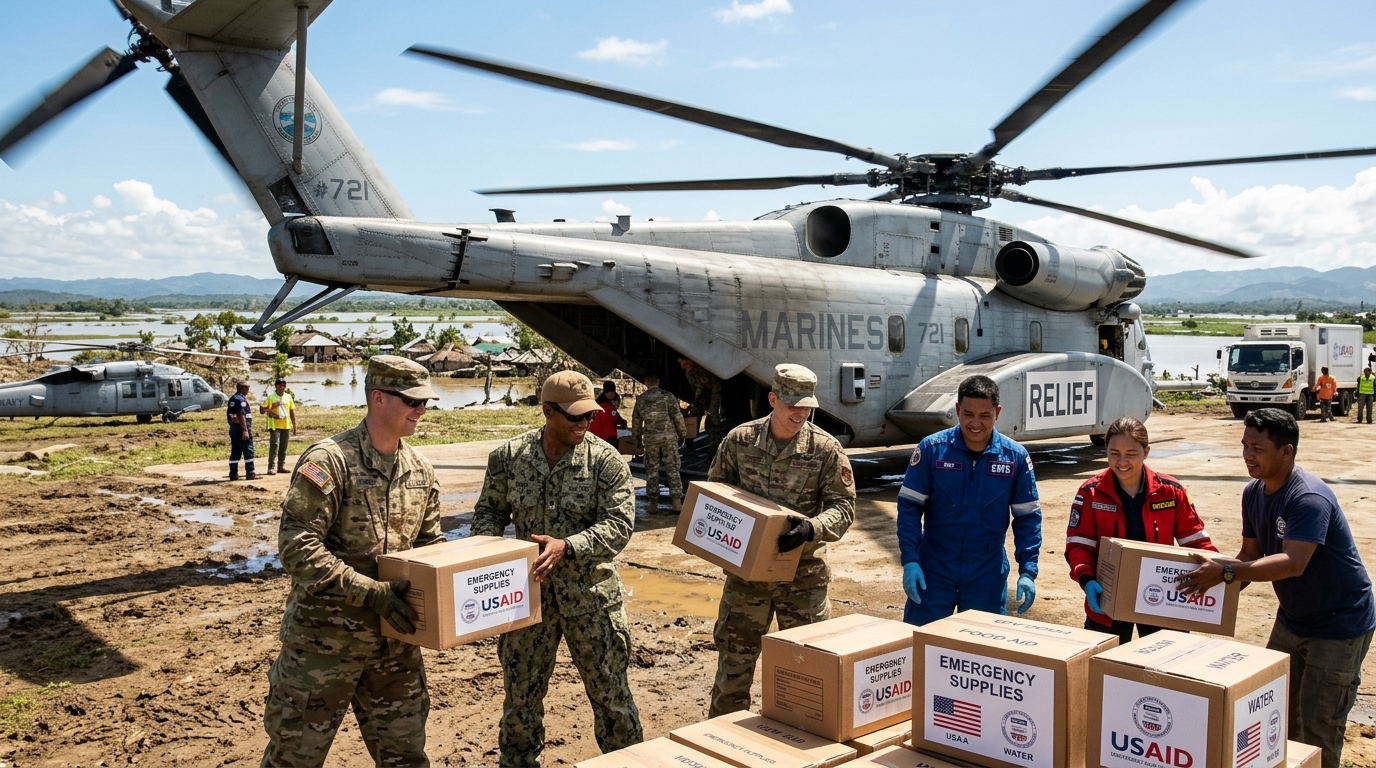
Practical Example: During major emergency responses, Air Force transport planes move equipment, Army personnel manage ground distribution, and Navy ships provide coastal staging bases and power infrastructure.

Joint Disaster Response and Humanitarian Assistance
Career Exploration Guide

See where your skills could contribute.

Request an official career discovery pathway guide to explore specific job families, qualifications, and entry paths across the Army, Navy, and Air Force.

Your details are kept strictly confidential and used only to provide relevant career and organization information.

Personal & Professional Growth

Built to develop capability and character.

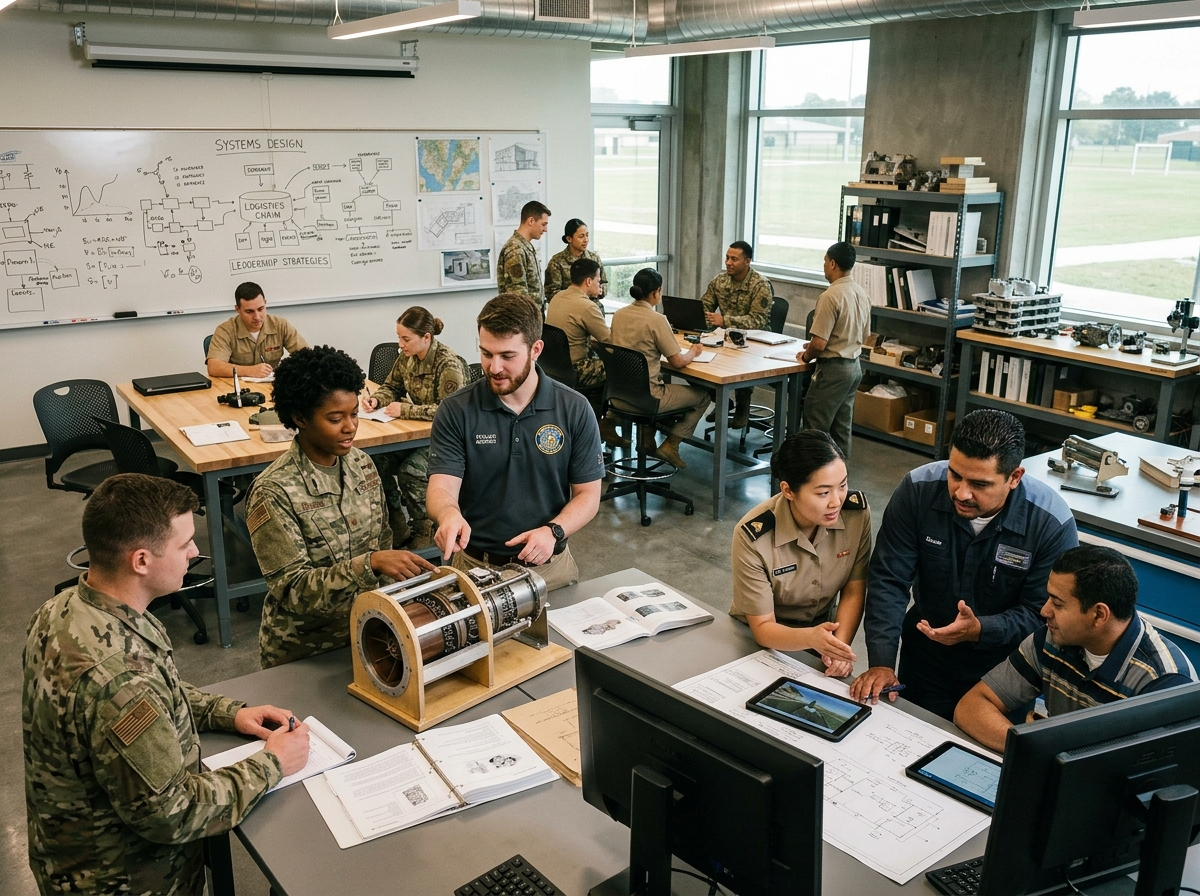
Service with the United Defence Forces is fundamentally a structured environment for long-term development. Members gain technical qualifications, leadership experience, and physical resilience.

1

Technical Qualifications

Accredited skills in engineering, trade skills, avionics, medical care, and logistics management.

2

Leadership Development

Progressive command training focusing on decision-making under pressure and team welfare.

3

Continuous Learning

Ongoing professional development, advanced certifications, and postgraduate study opportunities.

Leadership and Professional Development Training
Institutional Pillars

What service demands.

Five institutional values guide every member across the Army, Navy, and Air Force.

I

Integrity

Act with responsibility, honesty, and ethical clarity in all duties and decisions.

D

Discipline

Maintain high professional standards, procedural consistency, and self-mastery.

S

Service

Put national mission, community protection, and team welfare before self-interest.

T

Teamwork

Work seamlessly across diverse backgrounds, disciplines, and branches.

E

Excellence

Continuously improve technical knowledge, tactical execution, and personal standards.

Public Duty

Ready when communities need support.

Beyond defence readiness, the United Defence Forces plays a pivotal role during natural disasters and civilian relief emergencies.

Disaster Relief

Rapid deployment during floods, bushfires, and storms to clear roadways, restore power grids, and establish temporary shelters.

Medical Assistance

Setting up field triage units, providing remote healthcare logistics, and supporting regional medical evacuations.

Search & Rescue

Coordinating air-sea search patrols, helicopter extractions, and flood rescue operations in harsh climate conditions.

Interactive Pathway

Your interests can point you toward a branch.

Select the operating environment and career domain that best aligns with your strengths.

Land & Operational Logistics

Interested in land operations, logistics, or field engineering?

Focuses on terrain mobility, infrastructure building, and grounded communications.

Maritime Technology & Systems

Interested in maritime technology, navigation, or marine engineering?

Focuses on vessel navigation, propulsion tech, and oceanic security ops.

Aero Systems & Cyber Tech

Interested in aviation, aerospace, or advanced technical systems?

Focuses on flight operations, avionics engineering, and high-altitude transport.

Addressing Misconceptions

You do not need one background to serve well.

Many prospective applicants assume defence service requires a specific prior military background or combat orientation.

"Are all roles combat-focused?"

Fact: Over 70% of organizational roles center around engineering, healthcare, communications, aviation maintenance, computer networks, and supply logistics. Combat capability is supported by vast professional expertise.

"Do civilian qualifications apply?"

Fact: Engineering degrees, medical licenses, trade apprenticeships, and university qualifications directly transfer into specialized officer and technician career streams across all three branches.

Frequently Asked Questions

Clear answers before you explore further.

Key information for prospective applicants, graduates, and family members.

United Defence Forces Careers

Find where your skills can serve.

Explore the Army, Navy, and Air Force and discover which path best matches your strengths, interests, and ambitions.

Compare the Forces